


+971 4-875-8700
How WGG Agency Generated 300+ Leads for a Tiles Company in 4 Months, With a Total Sales Amount of AED 84,000
A UAE tile maker with no digital presence and no sales: we built an education-first Instagram, let organic reels prove the category, then tested Meta Ads on interior designers and property owners until both audiences started buying.
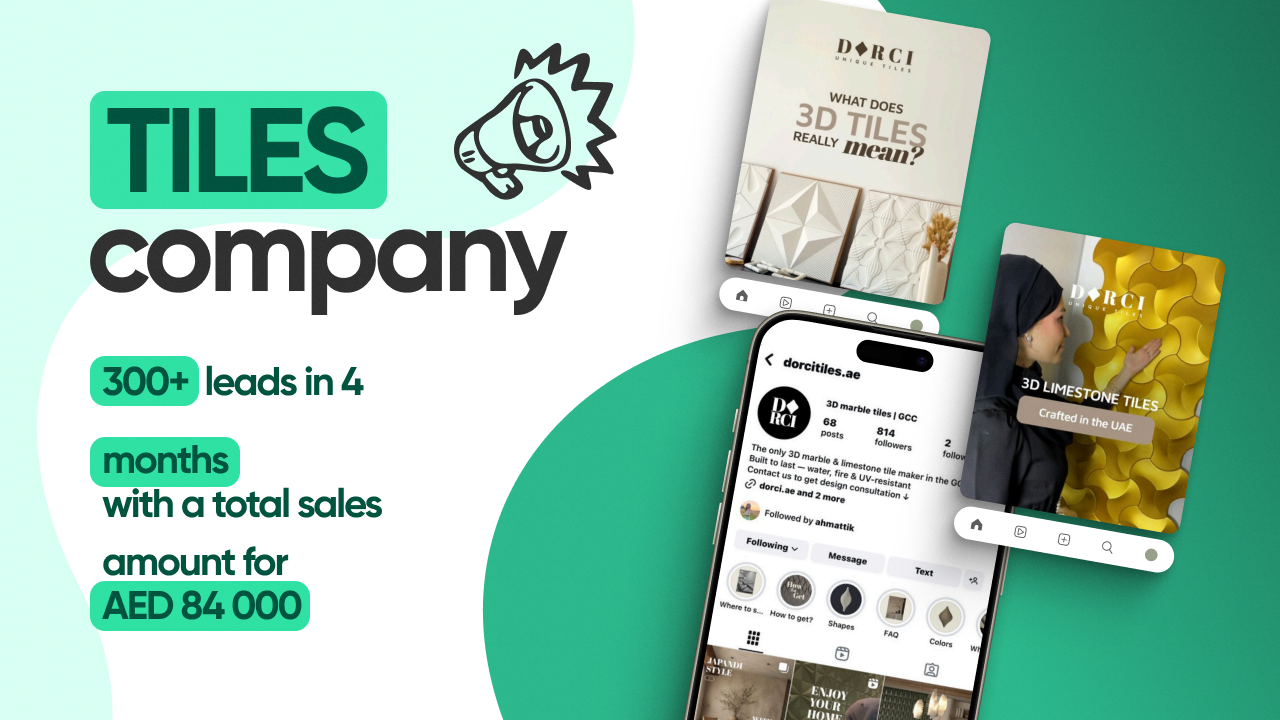
Meet Dorci 3D Tiles
Dorci 3D Tiles is a UAE-based client that came to us with no digital presence and no sales. Over four months, we took the brand from zero to more than 80,900 accounts reached, over 1,000 followers and 30+ sales worth AED 84,000.
×××
Starting from zero
Dorci had no Instagram presence, no visual identity and no audience familiar with the category. Because 3D tiles were unfamiliar in the GCC, the first task was not to sell, but to teach the market that the product exists.
No Instagram presence
The brand had no account to build on and no content to show.
An account built from scratch
We rebuilt the account around education: format explainers, style guides and lifestyle reels showing installed tiles.
No visual identity
There was no recognisable look that would make the product stand out.
Installed tiles as the visual signature
Style guides and lifestyle reels showed the tiles in real interiors, so the feed itself explained what a 3D wall looks like.
A category nobody knew
3D tiles were unfamiliar in the GCC, so the audience first had to learn what they are.
Teach first, sell second
Content answered the questions a new category raises, like “What does 3D tiles really mean?” and “Plastic or marble tiles?”, focusing on durability, installation and design options.
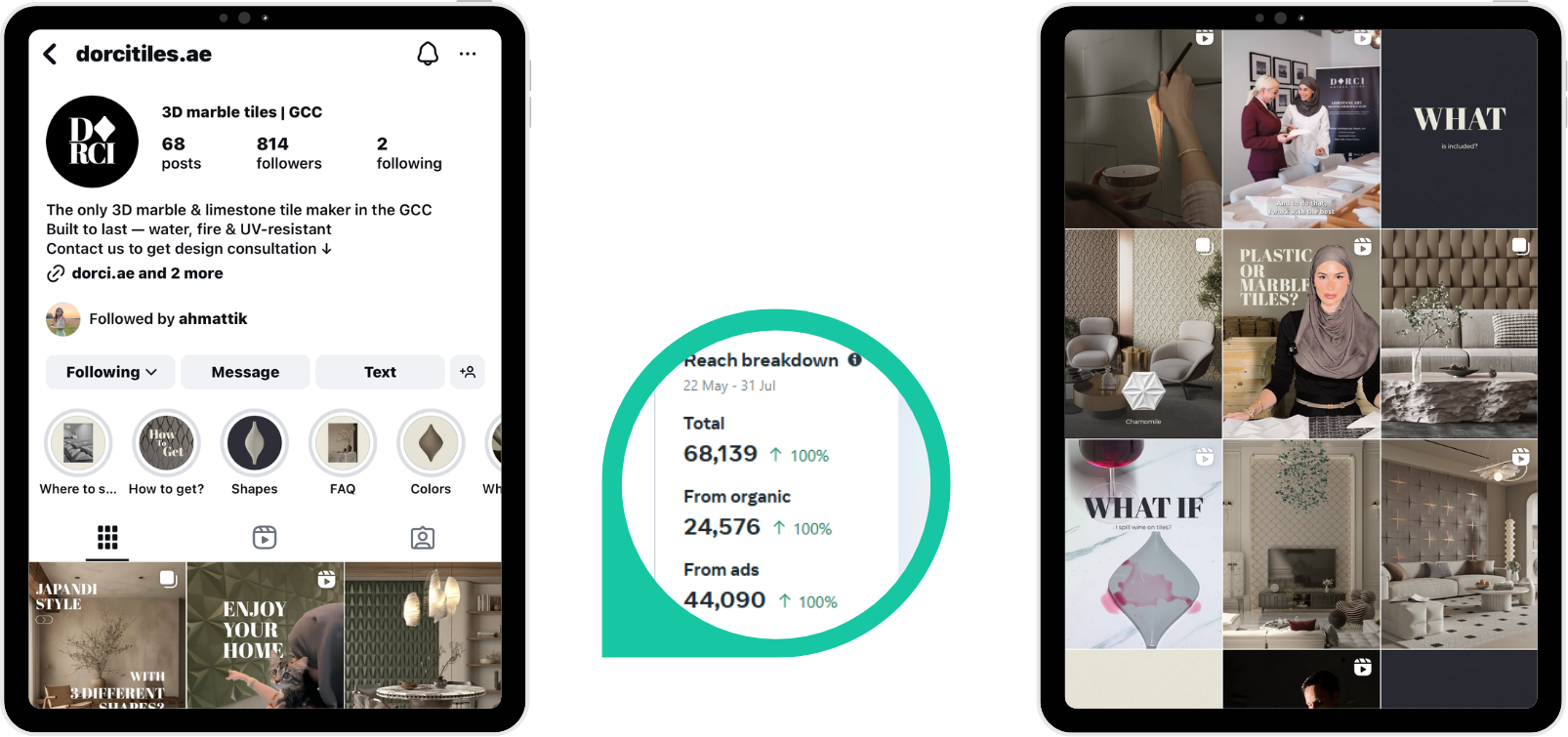
An account built around education
The goal was simple: help people understand 3D tiles before asking them to buy.
Reels first, ads later
Organic growth through reels. Before any significant ad spend, organic reels became the strongest discovery channel. In the first two months they brought in 612 new followers and 24,576 organic reach, and one reel alone added 38 followers. It was proof that short-form video deserved real creative investment.
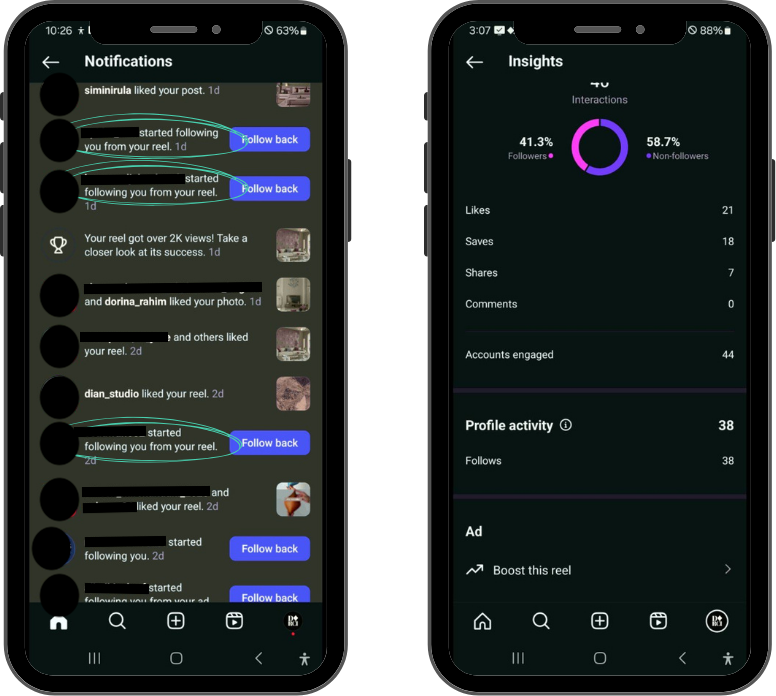
Answers beat polished shots
The content that worked best focused on durability, installation and design options rather than polished product shots alone. It answered the real questions a new category raises.
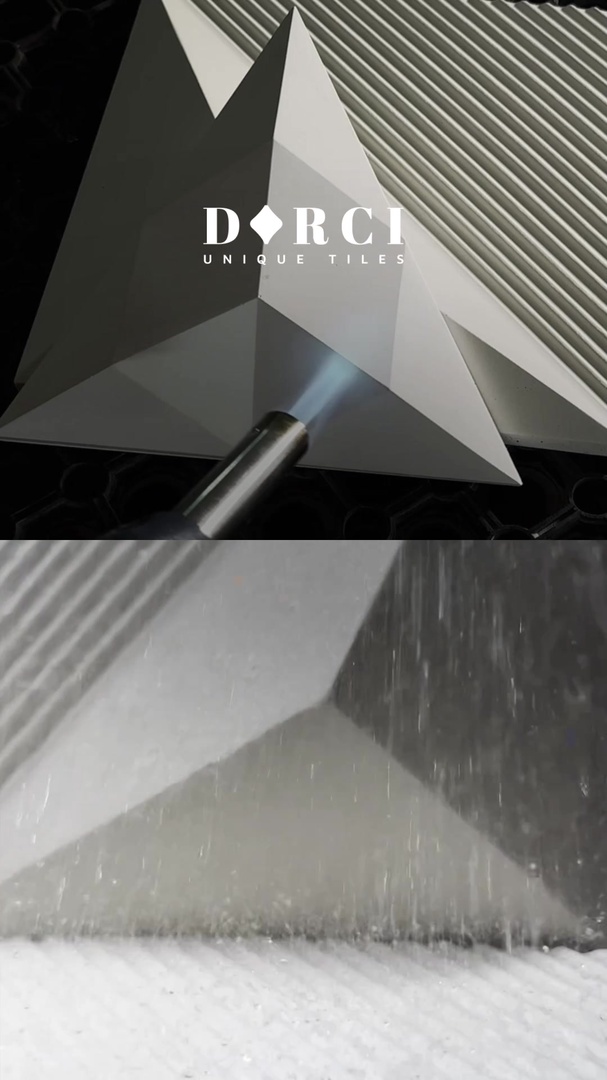
Reels that did the teaching
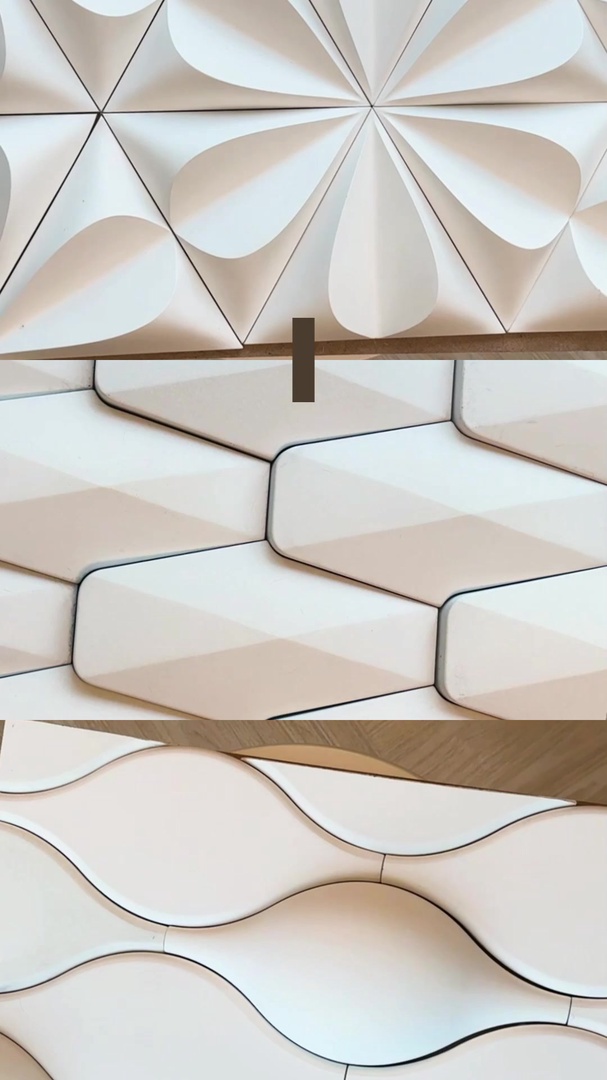
A look at the short-form videos behind the campaign: explainers and installed-tile reels that taught the market what 3D tiles are before ads asked anyone to buy.
Launching ads on Meta
Dorci's ad account was brand new, with no history for the algorithm to optimise on. We treated that as a clean start: every signal Meta learned came from campaigns we built phase by phase.
Visibility & trust
Prioritize traffic and visibility: bring people to the profile and build trust before asking for a purchase.
Audience tests
Interior designers (B2B) first, then property owners aged 25–54 (B2C) with lookalikes and sharper creatives.
Scale what converts
Both audiences in parallel once each had produced confirmed orders, until demand outpaced the client's capacity.
Six steps from traffic to sales
Turning Traffic Into Followers
The first paid phase brought visitors to the profile and turned them into followers.
Testing B2B: Interior Designers
Four campaigns for interior designers produced reach, conversations and leads, but slow deals.
A Highly Engaged Audience, But No Sales Yet
Every visibility metric rose sharply, but none of it had become a confirmed order.
Shifting to B2C and Getting the First Sales
Property owners aged 25–54 and sharper creatives delivered the first confirmed sale.
★ First saleB2B Starts Converting Unexpectedly
Running both audiences in parallel gave Dorci two paths to revenue.
2 pathsDemand Outpacing the Client's Capacity
Leads and meetings piled up so fast that the client asked to pause the ads.
4+ a dayTurning Traffic Into Followers
Visibility first
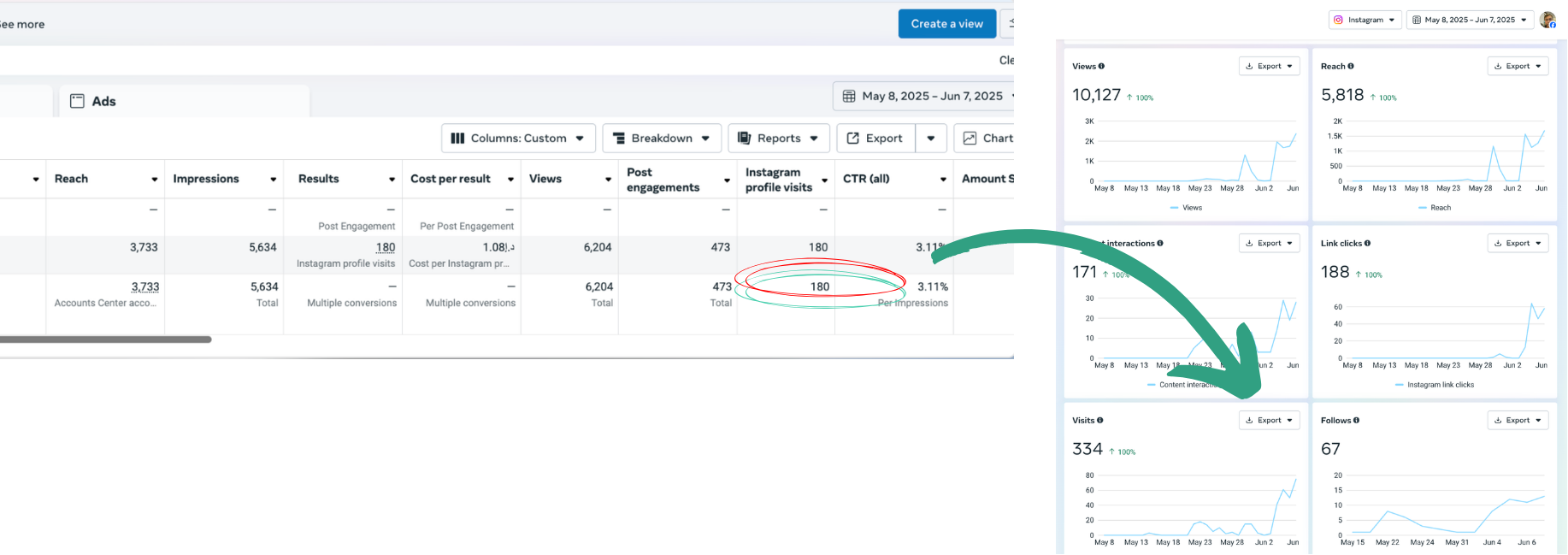
The first paid phase focused on traffic. Instagram profile visits reached 180, and 67 of those visitors followed. Reach hit 5,818 and interactions reached 171.
The brand had gained visibility, but there were still no real conversations with buyers.
+ + +
Testing B2B: Interior Designers as the First Lead Target
Leads arrived. Deals moved slowly.
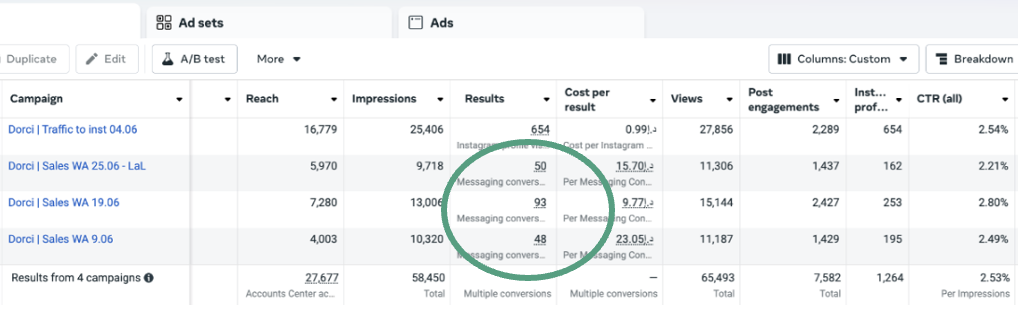
Four campaigns targeted interior designers. They generated 27,677 reach and 1,264 messaging conversations, and leads began to arrive.
But the client's feedback was clear: designer-sourced deals moved slowly. Each needed several internal approvals and often waited on the designer's own client to respond.
A Highly Engaged Audience, But No Confirmed Sales Yet
Reached, but not yet the buyers
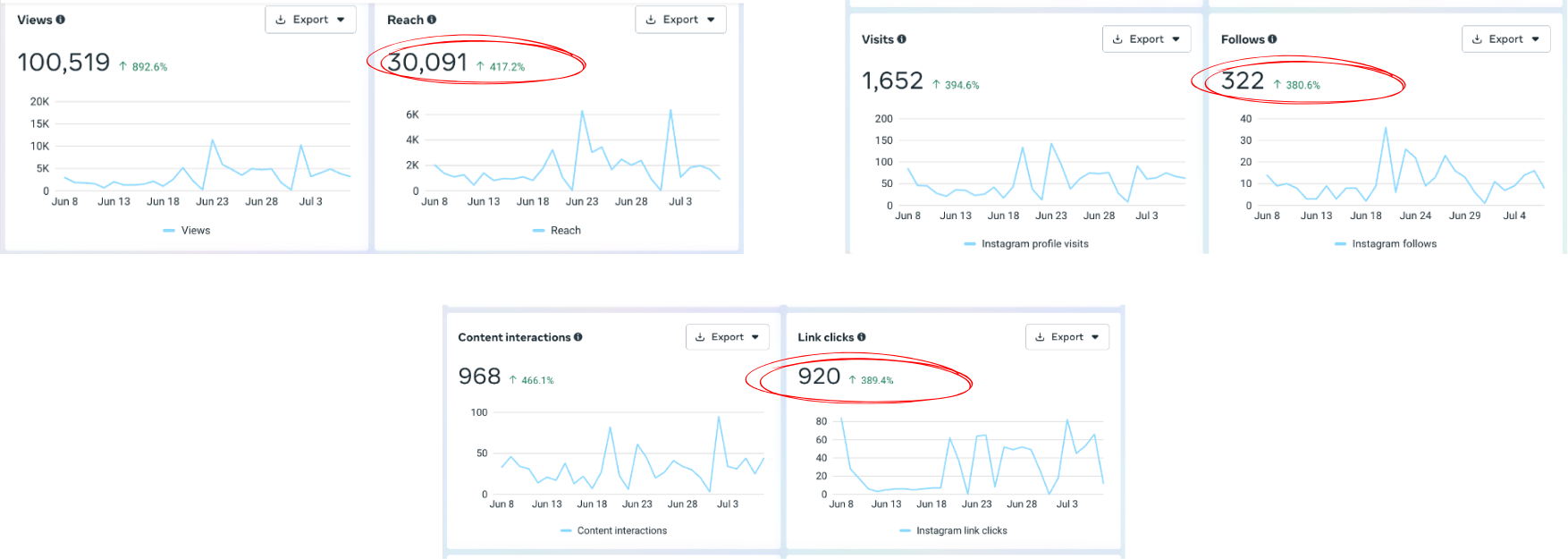
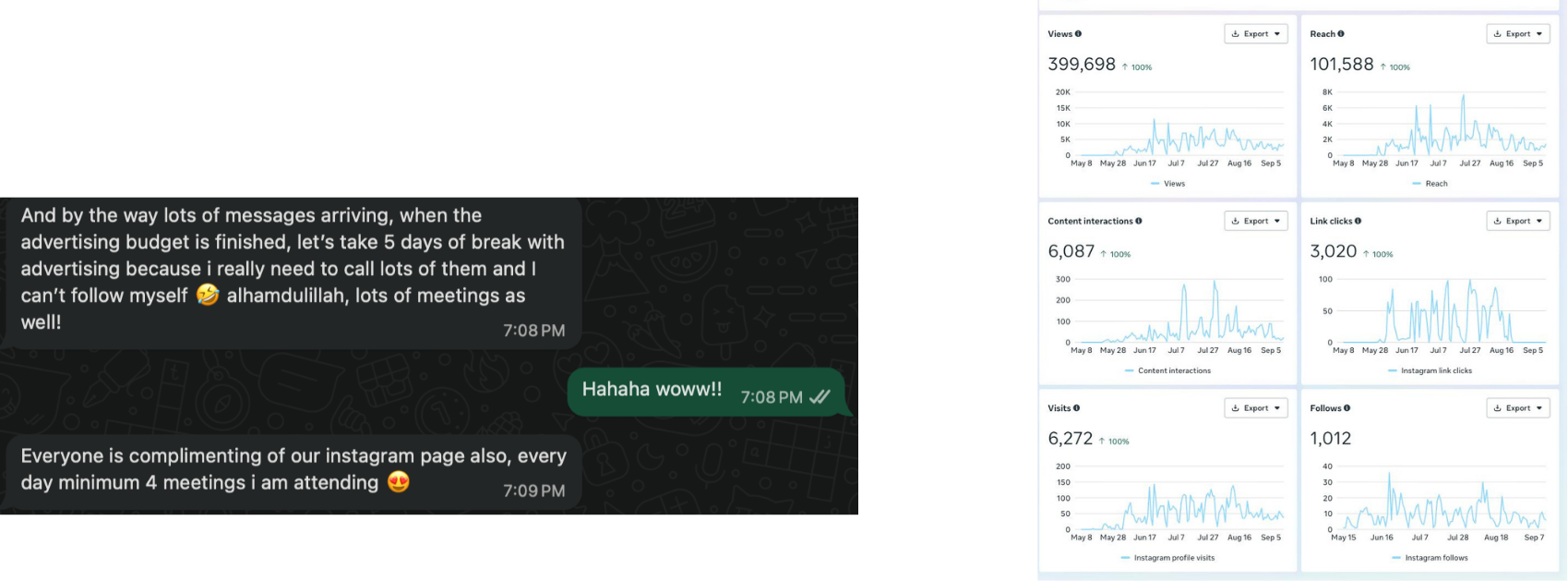
Every visibility metric rose sharply: views, reach, profile visits, follows and interactions. None of these had yet become a confirmed order.
The conclusion was clear: the people being reached were not yet the people ready to buy.
Shifting to B2C, and Getting the First Sales
From designers to the people who own the walls
The next campaigns targeted property owners aged 25–54, using lookalike audiences and narrower interests. The creatives were revised to state customization, value and pricing up front.
This produced the campaign's first confirmed sale, which the client shared with us on WhatsApp.
B2B Starts Converting Unexpectedly
When the B2C shift produced its first sale, we changed the targeting to run B2B and B2C in parallel. The earlier interior-designer leads then began converting into confirmed orders.
B2B had not failed, it simply had a longer sales cycle, and Dorci now earned revenue from two paths.
Demand Outpacing the Client's Capacity
Too many leads to handle
The client was receiving at least four messages or meetings a day and asked us to pause the ads for five days to keep up with the volume.
AED 10,000 in.
AED 84,000 out.
Over four months, the testing produced a repeatable funnel that worked for both audiences: AED 8.4 in sales for every AED 1 spent.
Return on ad spend
×8.4Step 3 vs Step 6: every metric multiplied
From 5,818 to 101,588
Reach in step 1, step 3 and step 6, as reported in the case: ×17.5 between the first paid phase and the final one.
Trust first, then the budget
Organic first, then the budget
Because the product was unfamiliar, organic content built trust before any spend. Reels brought 612 followers and 24,576 organic reach, so ads later reached people who already understood the category, keeping the cost per result efficient.
Testing B2B and B2C uncovered the real funnel
We tested designers and property owners separately, then together. B2B converted more slowly because of internal approvals, while B2C closed faster. Running both at once roughly doubled the paths to revenue.
Creative built around real objections
Content answered the questions a new category raises, such as “What does 3D tiles really mean?” and “Plastic or marble tiles?”, instead of generic lifestyle imagery. The gold 3D limestone tile reel was the best-performing B2C creative.
A lean budget, an outsized result
AED 10,000 in ad spend delivered AED 84,000 in sales. The sequence: build trust organically, test narrowly, follow the data, and scale only once the funnel is proven.
× ×
Looking for similar results for your business in the UAE?

Instagram Ads
Facebook Ads
Google Ads
TikTok Ads
LinkedIn Ads
Email Marketing
Yandex Direct
Complex marketing
All services
Digital Marketing
Website development
Advertising services in Dubai
Advertising services in Abu Dhabi
Social Media Marketing
Real estate
Real estate development marketing
Video production
B2B marketing
Personal branding
Restaurant marketing
Beauty marketing
Healthcare marketing
All Rights Reserved.


